A Decade of Building People Power in Berks County
Too often, Pennsylvania organizers’ contributions to progressive political wins go unnoticed and are not well-documented. This makes it more difficult to replicate successes, learn from and build on past work, and attract more (and different) resourcing.
Pennsylvania Voice (PA Voice) organizes over 50 non-partisan organizations, including Make the Road Pennsylvania (MRPA) to build an inclusive, just, and reflective multiracial democracy in Pennsylvania. MRPA is a base building organization that organizes Latinx and Black immigrant communities and working-class communities of color. Since its founding in Reading in 2014, MRPA has expanded to Allentown, Philadelphia, and Hazleton, with a current membership of approximately 14,000 across the four cities.
PA Voice engaged MRPA in a project to gather evidence about and tell the story of its contributions to wins in Berks County where MRPA was first established. With consulting support from A Good Question, the staff leading the project defined and explored the changes in Berks County to which MRPA contributed between 2014 and 2024. As the Latinx population in Berks County–particularly in Reading–has grown dramatically over the past decade, MRPA has recruited a robust membership and engaged them in collectively advocating for change, alongside coalition partners.
PA Voice engaged MRPA in a project to gather evidence and tell the story of its contributions to wins in Berks County.
Summary
Using the contribution analysis methodology, we explored how MRPA has contributed to gains in visibility and political power for the Latinx community in Berks County between 2014 and 2024.
In the process of developing this case study, we collaboratively defined the win and then learned directly from 38 individuals, past reports, and civic engagement data, along with the literature on community power building. We developed, assessed, and updated the theory of change that describes how this win came about.
In short, people power is at the heart of MRPA’s approach, as the organization engages the community, builds the base, and develops member leaders. In partnership with PA Voice, MRPA then involves the membership in efforts to increase civic engagement and create the conditions for reflective democracy. As well, MRPA joins with aligned organizations in campaigns to collectively fight for progressive policies, bringing members into the work through direct action.
MRPA and its members are able to identify and act upon issues that affect the community, and move others to do the same. The work of building and activating the base over the past decade has opened opportunities for exercising power that were not available previously. Looking to the future, MRPA is committed to even more community organizing and base building, centering a multiracial lens and policies that benefit working-class people.
Together, these efforts have resulted in the following outcomes on the road to visibility and political power:
Growing an active membership and member leadership
Gaining trust and credibility with the Latinx community in Berks County
Registering and turning out Latinx voters
Contributing to the creation of fairer and more equitable PA House electoral maps
Contributing to increased community political representation locally in Reading and at the state level in Harrisburg
Contributing to major issue campaign wins, including increased funding for the Reading School District and other poorly-resourced districts in Pennsylvania, passage of the Whole Home Repairs Act, shutting down the Berks detention center, language access at voting sites, and availability of school district IDs for parents in Reading
Theory of Change
Community Engagement
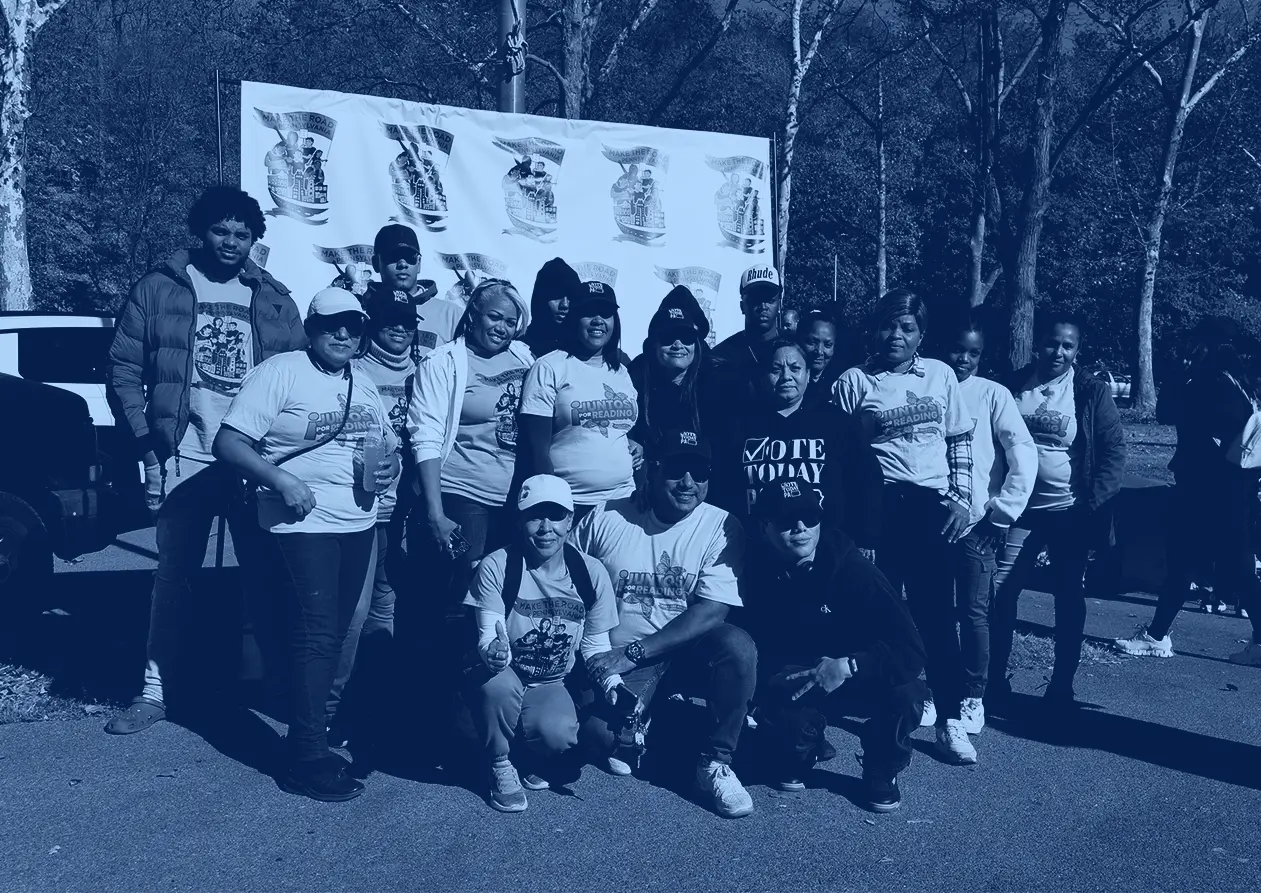
MRPA does year-round outreach to recruit members & engage voters
Civic Engagement
MRPA registers more Latinx voters in Berks than statewide rates, though registration lags behind population growth
Collective Action
MRPA joins with aligned organizations in coalitions to engage in collective action on issues
The Latinx community in Berks County (primarily Reading) gains visibility and political power between 2014 and 2024.
Community Engagement & Leadership
People power is at the very core of MRPA’s membership and base-building model and the organization’s ability to consistently engage and mobilize residents to take action is noted by partners, elected officials, and members alike.
In this section, we describe MRPA’s community outreach and leadership development strategies and review feedback from members about their engagement trajectories.
Community Engagement
In addition to voter registration and mobilization efforts prior to each primary and general election, MRPA conducts year-round outreach to engage voters and recruit members.
Relational organizing appears to be the most effective method of engaging new community members.
As one committee member described their first encounter with MRPA:
"They invited me. It was Sheila who invited me. At first, I was unsure about going, leaving the house. I was a bit insecure about going, until I went there and I met incredible people. I liked, loved their vibe. I loved how they fight for what they believe in. I felt that among all of us together we have a very strong voice."
[Committee Member]
“A mí me invitaron. A mí fue Sheila que me invitó. Primero, yo estaba insegura de ir así, salir de la casa. Estaba media insegura de ir, hasta que yo fui allá y yo conocí a increíbles personas. Me gustó, me encantó su vibra. Me encantó cómo ellos luchan por lo que ellos creen. Y sentí que entre todos unidos tenemos una voz muy dura, muy strong.”
Following these initial experiences, some people become MRPA members because they connect with the organization and the other members and are inspired by the mission. Their reasons for continuing to organize vary, but center around wanting to address an issue in their own lives and/or wanting to do something positive for their community around an issue that they care about, such as immigrant rights or workers’ rights.
From the start, members feel heard and understood by MRPA and begin to develop trust with the organization. They see themselves in the staff and other members, which motivates them to engage further. They also appreciate the accurate and relevant information shared through MRPA’s political education efforts.
Still, as in any base building organization, people drop off at all stages of the process. In the recruitment phase, many drop off due to lack of time and interest, or because MRPA does not offer the direct services they expected to receive there¹. Case study participants pointed out that additional membership engagement staffing would support more individual follow-up, to further base building.
1
“One of the things I love about Make the Road is that the people see you as you are. They don’t see you as a number, they don’t see you as just another member, but as a person that will bring more toward making the changes we need as a community, for a better Reading.”
[Canvasser]
“Una de las cosas que amo de Make the Road es eso, que las personas la ven como tal. No la ven como un número, no la ven como un miembro más, sino como una persona que va a traer más para seguir haciendo el cambio que necesitamos como comunidad para una mejor Reading.”
Member Leadership
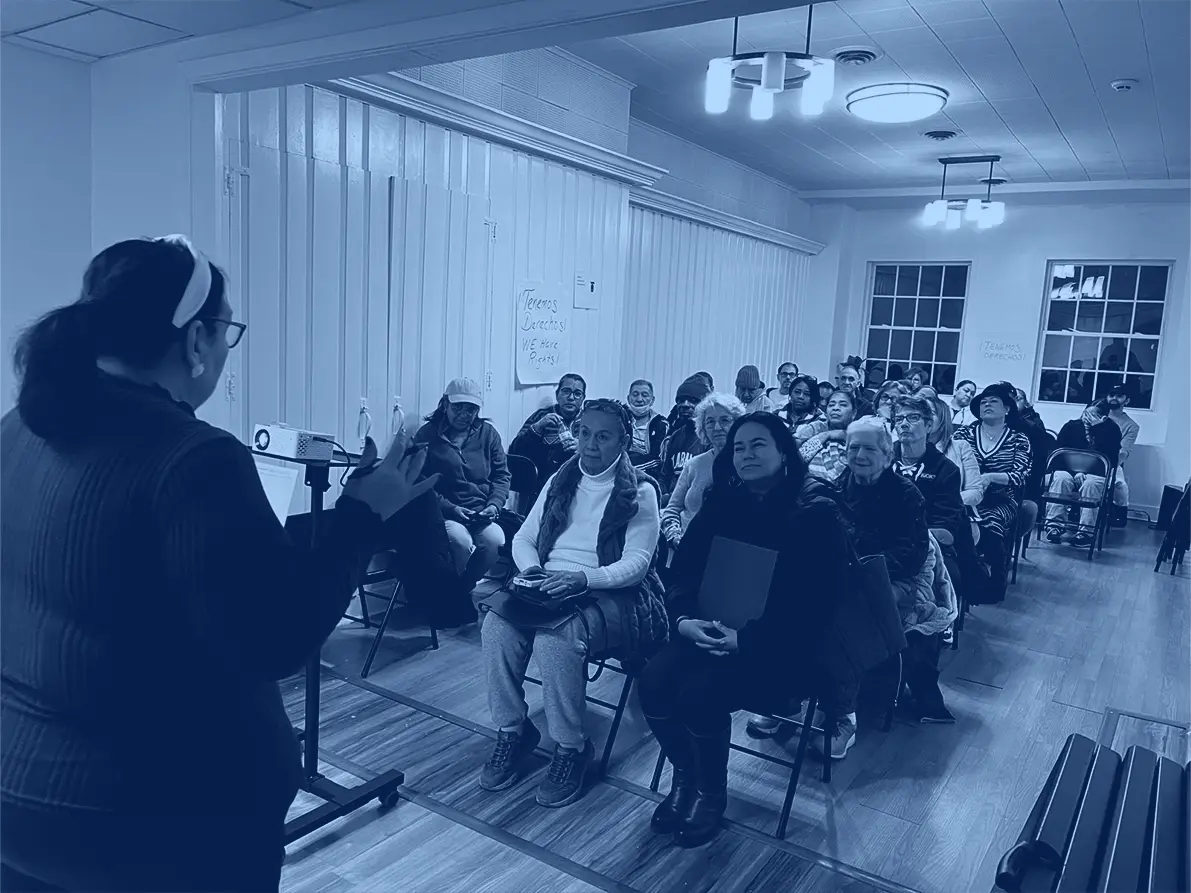
Once they join MRPA, many members gradually deepen their engagement, becoming more politically informed, supporting voter outreach, participating in actions for issue campaigns, and recruiting others to become members.
As they participate more and more, some members are recognized as leaders and invited by staff to take on more responsibilities. Members on the Leadership Council co-facilitate committees with staff, engage other members, and are frequently called upon to lead during actions by speaking with the press and elected officials. They receive training and preparation for specific events.
Some members and leaders take paid canvasser roles, and some become staff. One of the defining characteristics of MRPA staff is that they largely come from the communities they serve and have deep ties there; because of the organization’s commitment to hiring from the community, most staff started off as members and progressed from there.
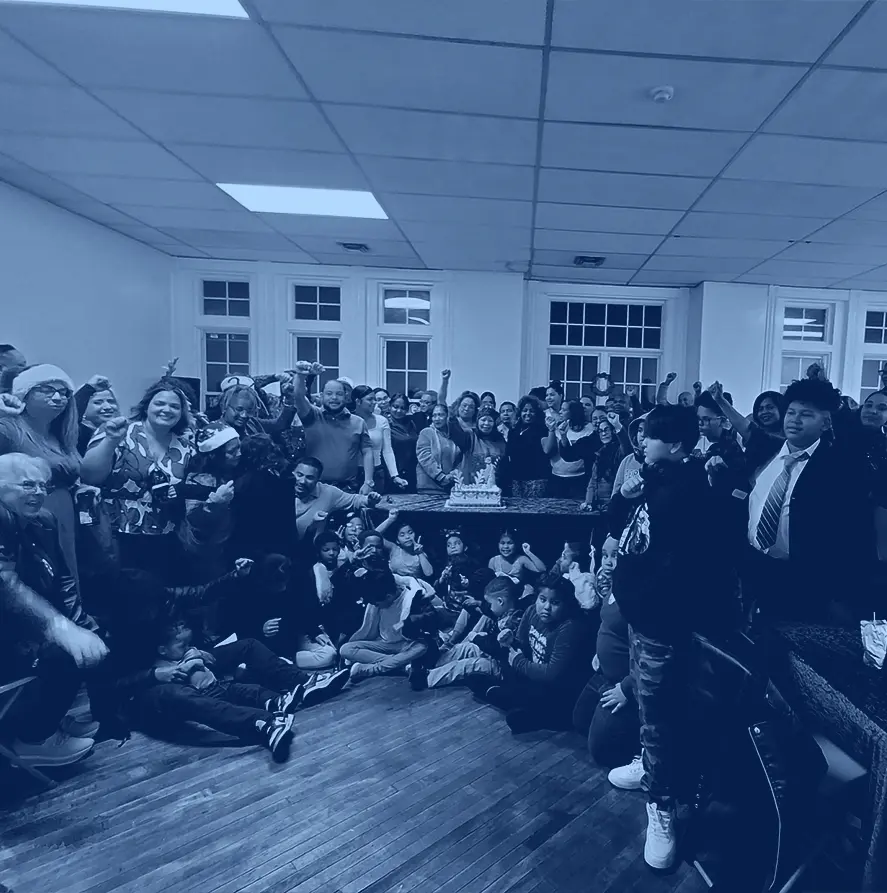
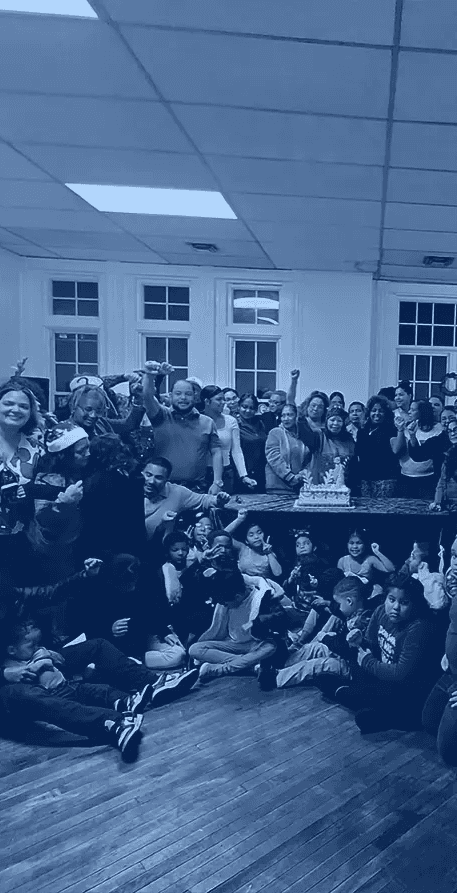
The further they delve into the work, the more MRPA starts to feel like a family, and the more members recognize that change will only be achieved through organized effort on the part of the community.
As members and leaders experience the wins in issue campaigns and political representation that we will discuss in the following sections, they feel more powerful and encouraged to organize more, a self-reinforcing cycle that sustains and advances the work, and further builds credibility with the larger community. To that end, smaller, incremental wins are crucial in maintaining momentum through lengthy campaigns.
“Through Make the Road I fell in love with justice, with what it means to achieve change, to bring the people what they deserve, so that they know their voice is heard.”
[Canvasser]
“Por Make the Road caí enamorada de lo que es la justicia, de lo que es lograr el cambio, de lograr llevar el pueblo donde se merece, de que sepan que su voz se escucha.”
Civic Engagement
04
As Berks County’s Latinx population has grown over the past decade, MRPA has worked extensively to raise voter registration and turnout rates, building on the premise that with increased civic participation and political representation, the community will be able to more readily exercise its political power. In this section, we review progress toward MRPA’s civic engagement goals.
Voter Engagement
Voter registration has been a core activity for MRPA since its founding.
Often, voter registration is members’ first foray into deeper engagement and paid work with the organization.
PA Voice has supported MRPA’s voter registration efforts with data tools and access to the NGP VAN platform.
Bolstered by these tools and support, MRPA’s voter registration program has grown, with dramatic increases in registration numbers since 2022 (Figure 1). The program has seen significant results, with a higher Latinx voter registration rate in Berks County than statewide. The share of unregistered Latinx eligible voters was estimated as 5% lower in Berks County than across Pennsylvania in 2023.
Figure 1. MRPA's voter registration program in Berks County has grown rapidly, especially in the last two years.
Figure 2. Latinx voter registration rates have not kept up with Latinx population growth in Berks Country.
When it comes to voter turnout, MRPA implements a traditional canvassing program that incorporates calls, texts, and door-to-door outreach, in addition to a relational organizing program called Guardians of Democracy launched in 2024 that trains members to drive voter turnout. The impact of the voter turnout effort has been huge. In 2022 and 2024, the Latinx voters contacted by MRPA were 12% to 18% more likely to vote than Latinx voters in Berks County who were not contacted (Figure 3). The turnout lift of MRPA’s program was several points higher than among PA Voice partners’ efforts as a whole, which was 8% for all groups and 11% for Latinx voters.
Figure 3. Berks County Latinx voters contacted by MRPA's turnout program voted in much higher numbers than those those who were not reached in both 2022 and 2024.


However, the overall turnout among Latinx voters–outside those whom MRPA is able to reach within its current capacity–remains low. Make the Road staff, partners, and policymakers alike pointed to the persistently low voter turnout as a key challenge that stands in the way of the community being regarded as a more important voting bloc in the area.
“What the view is, is that Latinos don't vote. It continues to be a thing…And I know that in my conversations with Make the Road, obviously the manpower is limited. So I get that. So how do we support Make the Road ['s work] so that they can reach more people, especially in Reading? Like I said, it's the fourth largest city in the Commonwealth and oftentimes…either the city's taken for granted or overlooked because people don't vote.”
[ Policymaker]
Reflective Democracy
As the Latinx population in Berks County–particularly Reading–grew, the racial gap in political representation became increasingly glaring. MRPA engaged the community in creating the conditions for Latinx candidates of choice² to be able to run for local and state office and increase the community’s political representation, for a more reflective democracy.
2
The 2020 Census campaign was the first of its kind for MRPA.
The organization knocked on doors to help residents fill out the Census form, and encouraged Census participation via community meetings, personalized post cards, phone calls, texts, and social media.
“Our organization made a big commitment to the importance of the Census…and, like, it just became a thing, make sure you're counted, make sure you're counted. And it really worked. People were like, ‘I want to be counted.’ And so it started there. And then the pandemic happened, but the outreach still happened.”
[Staff member]
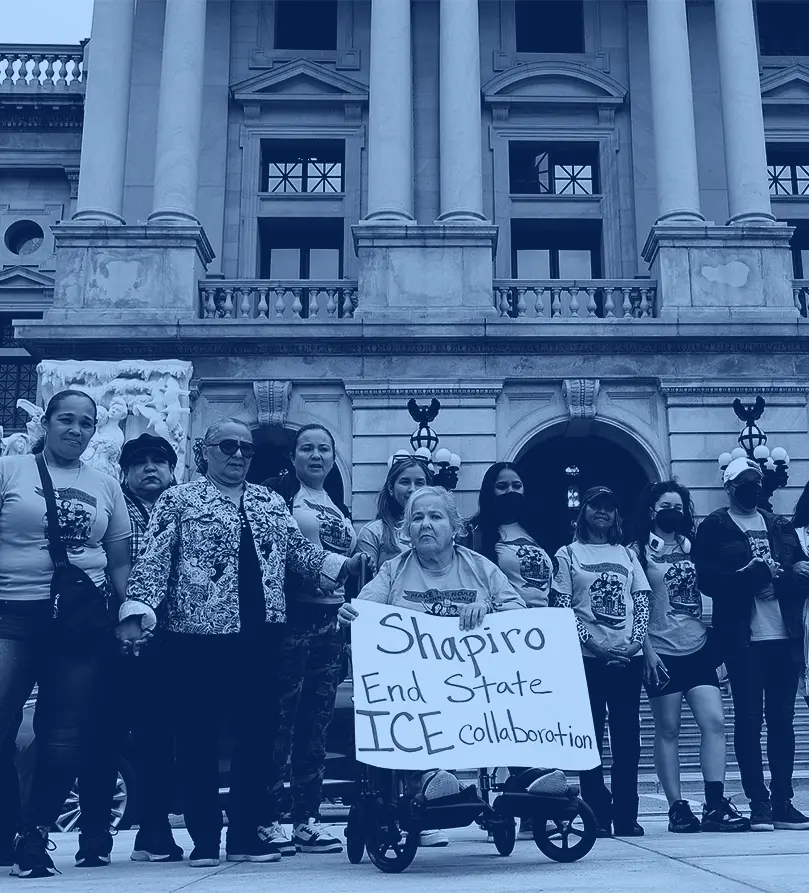
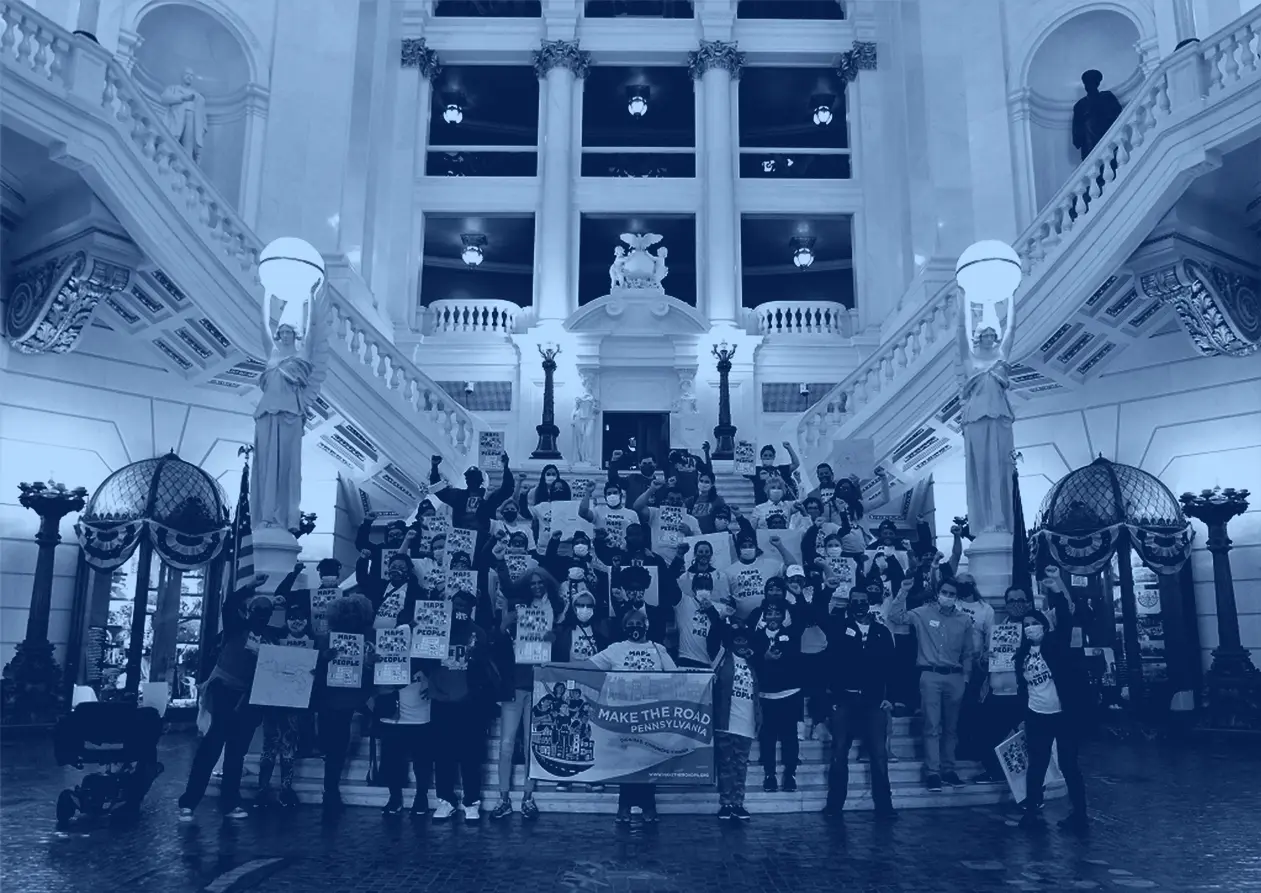
Following the Census, PA Voice and its partners launched the Maps for the People redistricting campaign to engage people across Pennsylvania in drawing and advocating for maps that reflect their multiracial communities.
With capacity support and funding from PA Voice, MRPA held popular education sessions to inform members about redistricting, facilitated the creation of individual maps, mobilized members to Harrisburg to advocate for the campaign’s Unity Maps, testified at LRC hearings, and participated in media outreach about the campaign.
Figure 4. in Berks county, the final maps were drawn largely in agreement with the Unity Maps, with the addition of House District 129.
In Berks County, the campaign saw one of its clearest wins for community voting power.
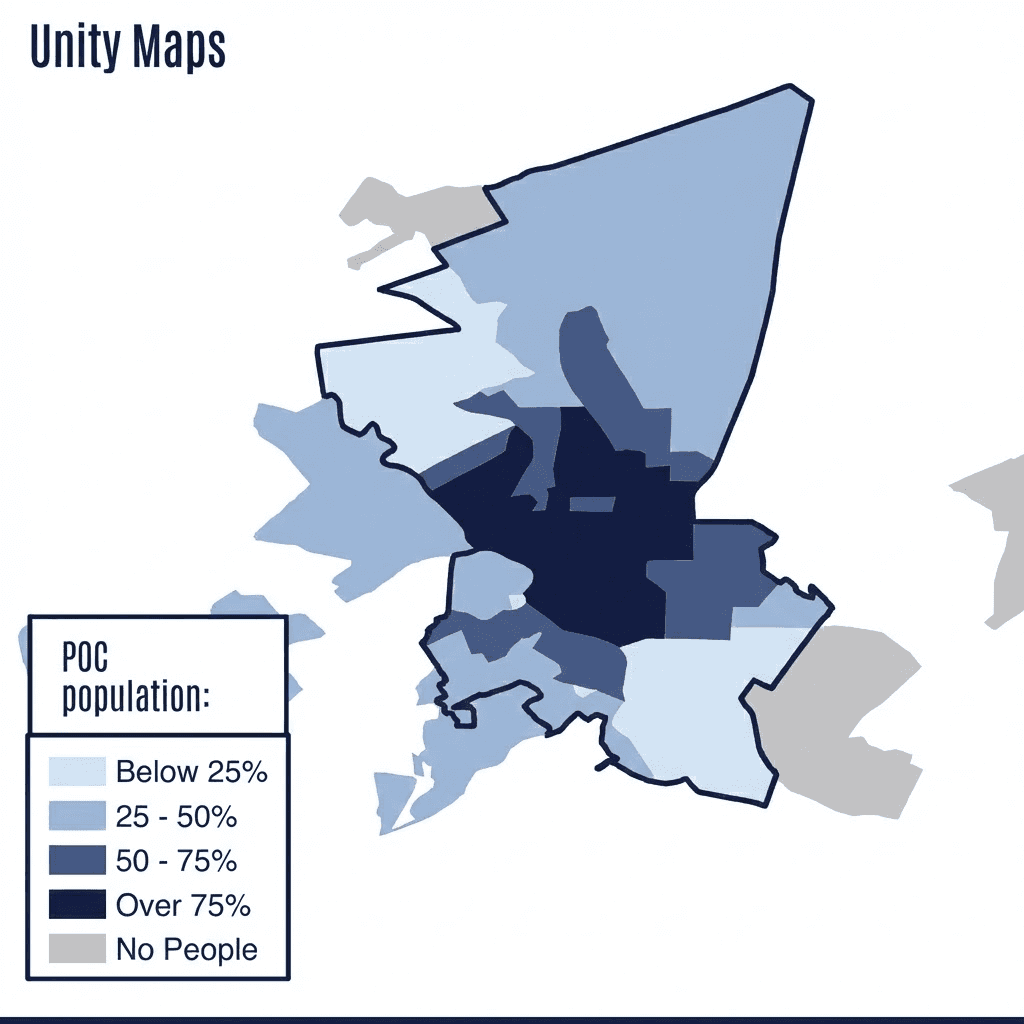
Pennsylvania House District (HD) 126 overlaps 62.4% with the Unity Map submitted by the partners and HD 127 overlaps 75.5% with the Unity Map (Figure 4). In addition, the LRC drew HD 129, a newly-created opportunity district that Representative Johanny Cepeda-Freytiz was subsequently elected to represent.
The Maps for the People campaign helped ensure that the LRC took into account the Latinx population growth in Berks County and drew maps accordingly.
Collective Action
05
Community members in Berks County are directly affected by multiple, intersecting issues including immigration enforcement, low school funding, high cost of housing, poor working conditions, and barriers to civic participation.
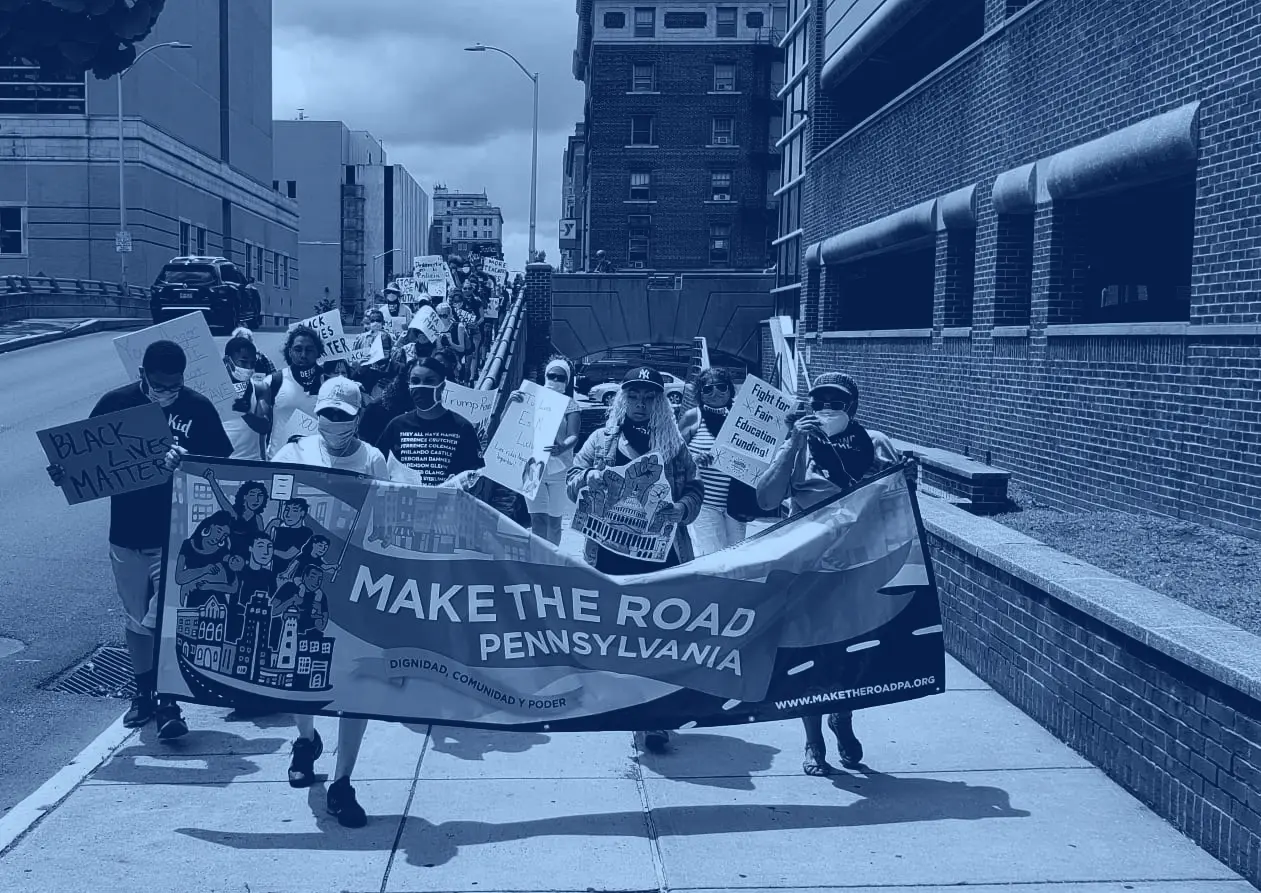
To address these issues, MRPA joins aligned coalitions and mobilizes members to participate in multi-tactic campaigns. The issue campaign wins motivate members to continue in the fights and engage even more.
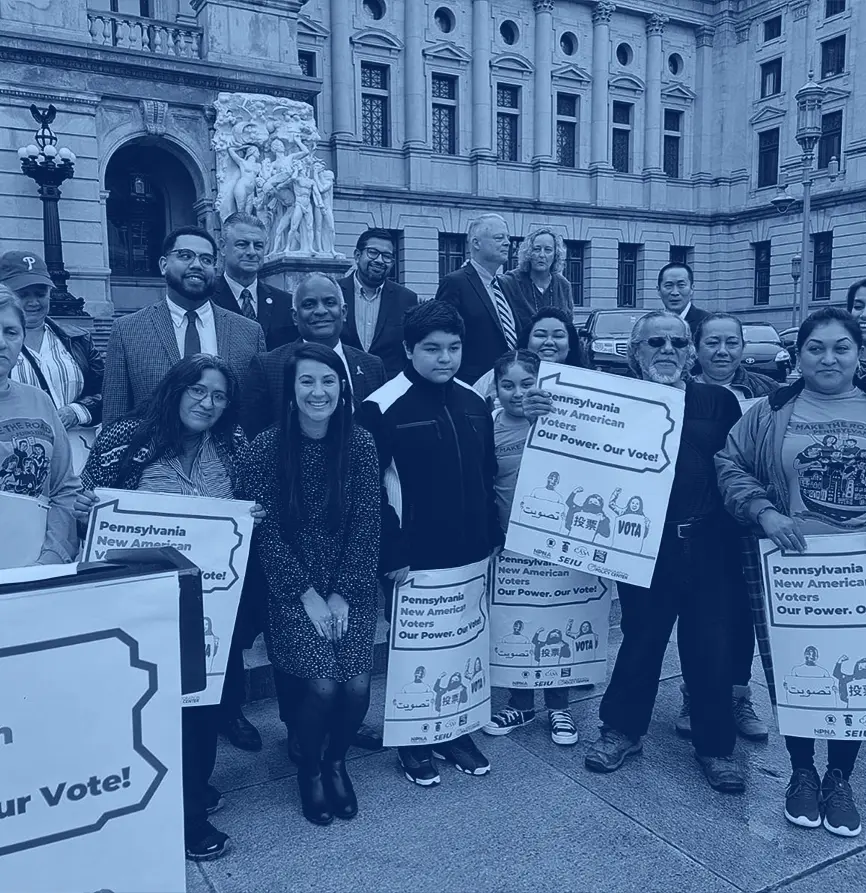
“There are many fights that we’ve been able to fight. There are many rights that we have claimed. Unity is strength and we have to continue the fight.”
[Leader]
“Hay muchas luchas que sí se han podido luchar. Hay muchos derechos que nosotros nos reclamamos. La unión hace la fuerza y tenemos que seguir a la lucha.”
Specifically, MRPA has been involved in several successful, multi-year campaigns alongside statewide and local coalitions that have resulted in material improvements in the lives of Berks County residents, including:
2023-2024
Education Justice with PA School Works Coalition
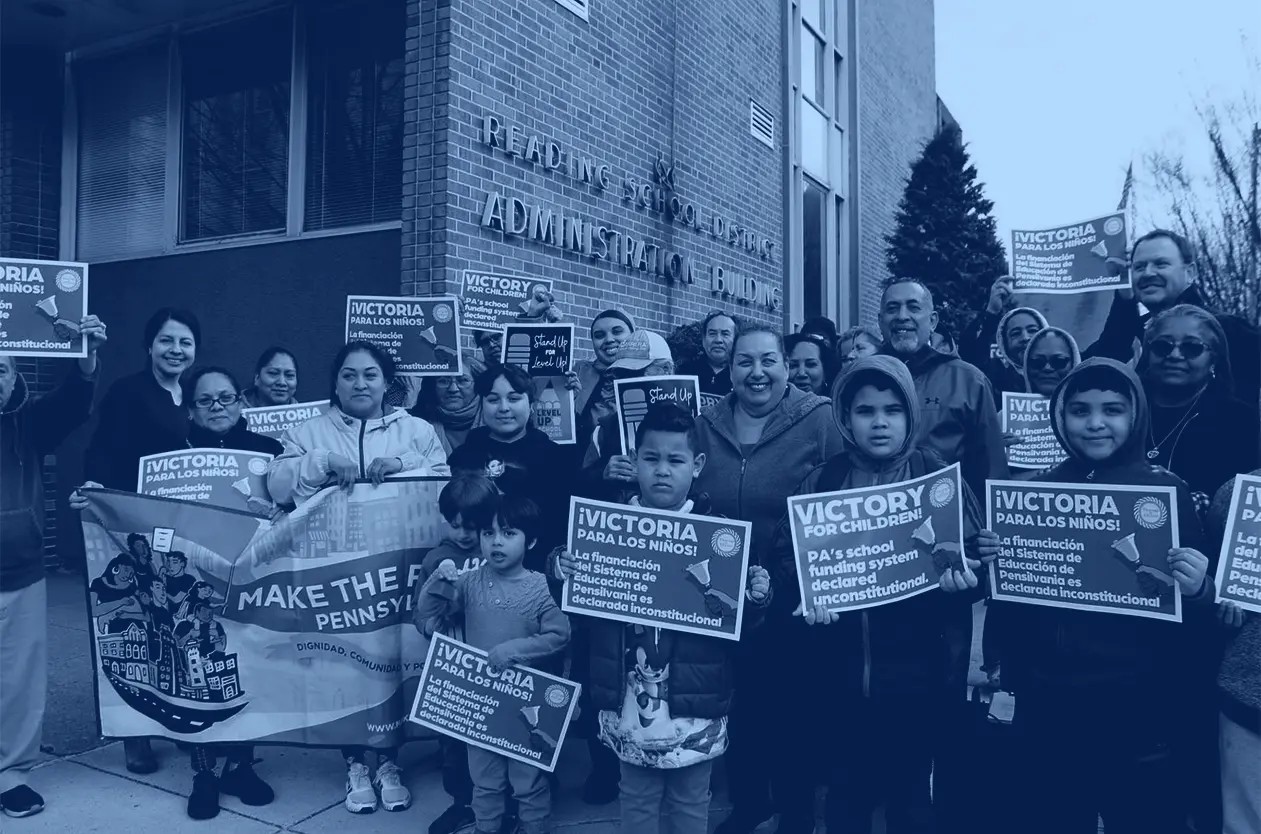
After a seven year legal battle, the Commonwealth Court of Pennsylvania in February 2023 declared the state's public school funding formula unconstitutional and mandated the state legislature to overhaul its funding system to ensure all students receive an adequate and equitable education, regardless of zip code.
In January 2024 the Basic Education Funding Commission identified a $5.4 billion statewide funding gap in public school funding. The 2024–25 Pennsylvania budget delivered a historic $1.1 billion increase for K–12 public education.
With $225 million earmarked for basic education, $20 million for school safety, and $100 million for mental health resources, the budget prioritizes the urgent needs of underfunded districts like Reading. The Reading School District received approximately $42 million in new funding, an urgently needed boost to address chronic shortfalls in staffing, facilities, and student support. Yet without a firm legislative commitment to the full seven-year funding timeline recommended by the Basic Education Funding Commission, the deep equity gaps for Reading’s students will persist. The fight for fair funding continues.
2023
Immigration Justice with Shut Down Berks Coalition
Following an eight-year fight, successfully advocated to close Berks County Residential Center, a family immigrant detention center in Berks County by ending the contract with Immigration and Customs Enforcement (ICE) to operate the facility and releasing everyone incarcerated there back to their communities. This fight was led by a large and diverse coalition that included legal advocates, base building groups, faith leaders, elected officials, and other concerned citizens.
2022-2023
Education Justice
Successfully advocated for higher-quality, culturally appropriate food distribution in the Reading School District. In response to MRPA parent leader concerns about meal quality, the Reading School District made major improvements to its food service program, shifting from vendor-prepared meals to scratch cooking in school kitchens. A new three-year contract with food service staff, approved in August 2023, supported this transition and ensures that students receive fresh, nutritious meals prepared on-site by district employees.
2022
Climate and Housing Justice with Senator Nikil Saval and PA Climate Equity Table
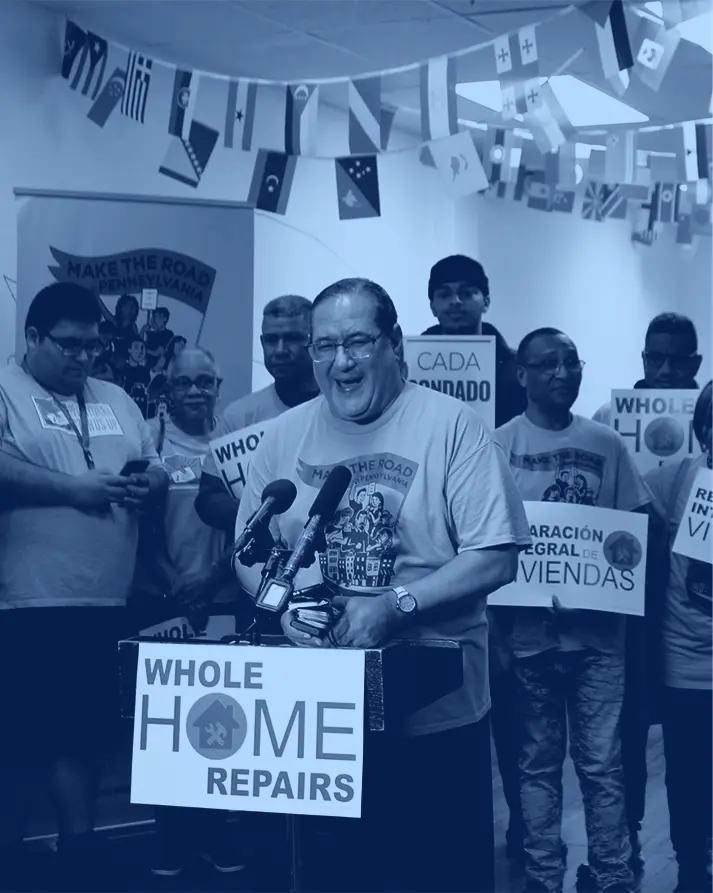
Supported passage and implementation of the Pennsylvania-wide Whole Home Repairs Act to provide funding to low-income homeowners to weatherize and repair aging housing stock; the fight to fully fund the program to meet demand and include renters continues.
2020
Voting Rights with PA Voice
Secured language access with Spanish language signs and materials at voting sites in Berks County, bringing them into compliance with Section 203 of the Voting Rights Act. The same year, following advocacy for voting rights by a large coalition, Pennsylvania instituted vote-by-mail and changed the registration deadline to 15 days prior to an election, provisions that were made in Pennsylvania Act 77. In 2022, MRPA was one of the groups that fought to maintain vote-by-mail in the face of legal challenges, making the argument that vote by mail is safe, secure, legal, and an integral part of inclusivity and accessibility in the modern democratic process.
2020
Housing Justice
Advocated to Governor Tom Wolf to extend the pandemic eviction moratorium. A coalition letter originated by MRPA and signed by 55 partner organizations reportedly helped achieve this win. In the face of extremely high eviction rates, MRPA continued housing justice advocacy with members affected by pandemic layoffs into 2021, when Migreldi Lara and her family were featured in the New York Times.
2018
Immigration Justice with Community Justice Project
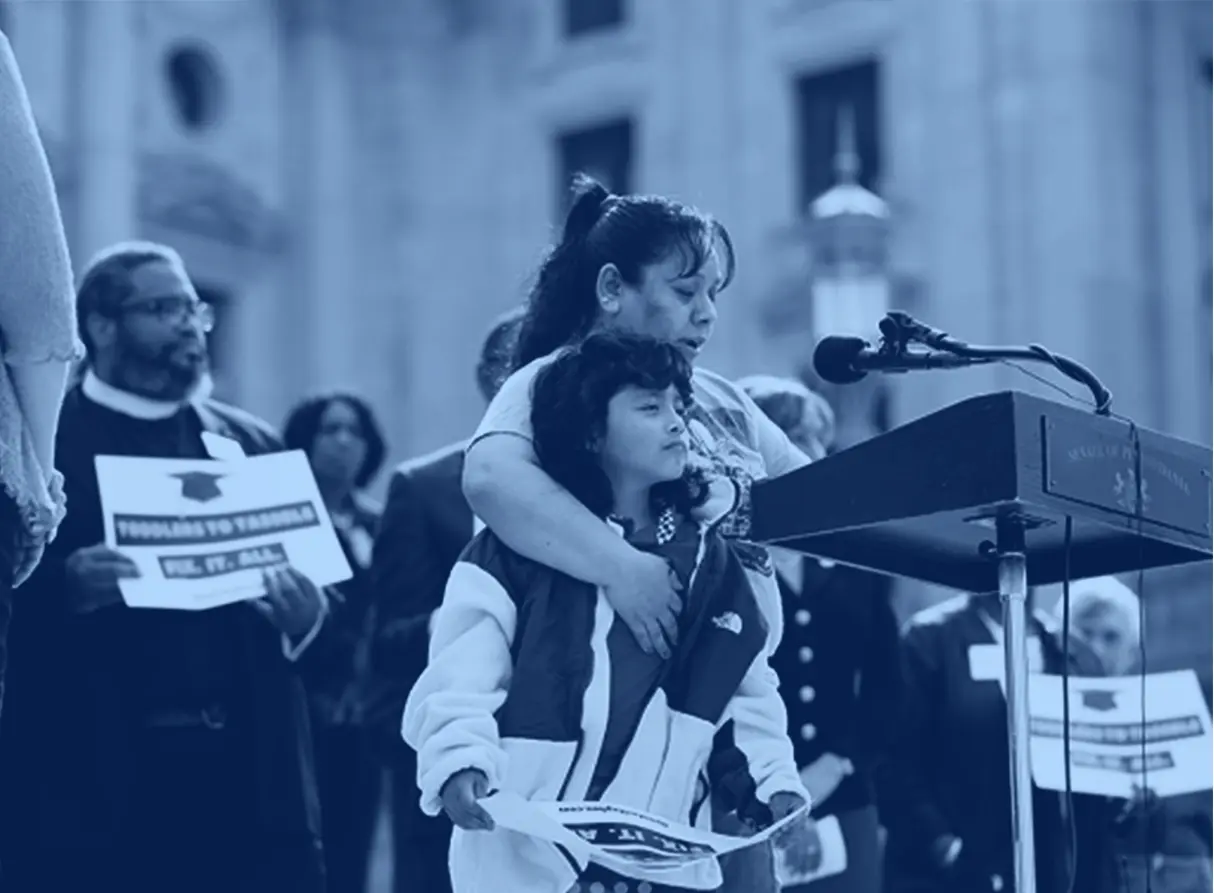
Advocated for the Reading School Board to pass the 2018 Welcoming Schools Resolution that provided school district IDs for parents of the Reading School District, impacting about 12,000 families. The resolution positioned the district as a leader in Pennsylvania in protecting immigrant students and families by affirming their rights to education and safety regardless of immigration status. It further strengthened trust between the school district and the community by committing to safeguard student information, resist unlawful enforcement, provide inclusive access to school spaces, and ensure safer, more welcoming environments for families. The IDs enabled parents, especially those without state-issued IDs, to more easily access school buildings, attend meetings, and participate in their children’s education.
What many of these campaigns have in common is the ability to sustain unrelenting, strategic action over the course of long fights that necessitate multiple tactics. For example, the Shut Down Berks Coalition fought for eight years to close the detention center, following news of a 19 year-old woman being raped by a guard there in 2015 that shone a light on the conditions in the facility.
The campaign involved both local and outside partners and elected officials, with legal organizing led by Aldea, vigils convened by multiracial faith-based organizations, and actions led by Berks Stands Up, MRPA, and Pennsylvania Immigration and Citizenship Coalition.
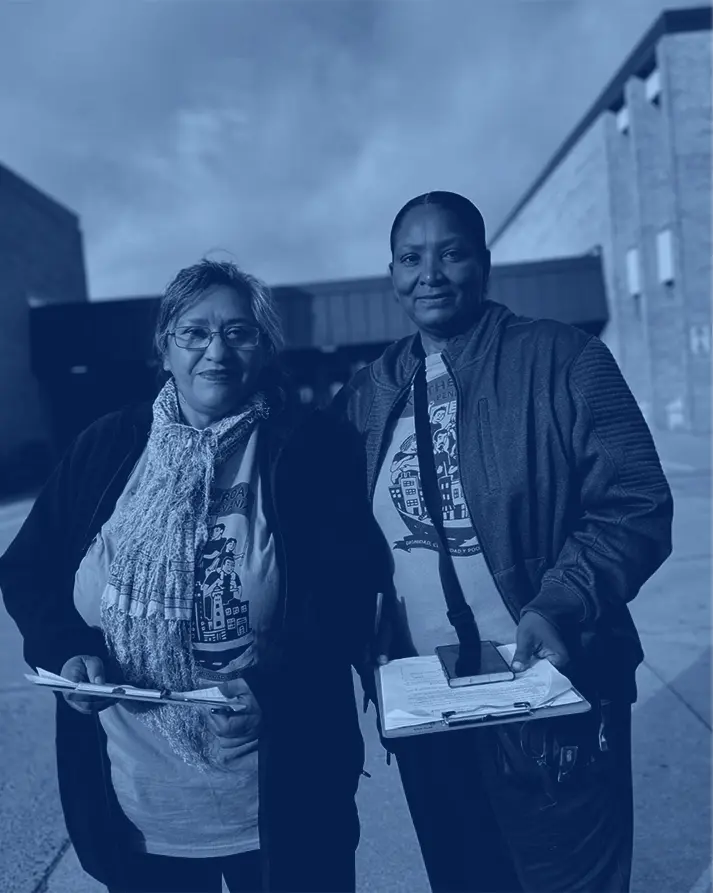
Despite the significant victories in recent years, the collective action work is not without its challenges. First, although MRPA has succeeded in demonstrating its effectiveness to funders, the issue advocacy work largely relies on general operating funds and often happens without sufficient resources. Second, while some relationships with policymakers are strong and can be described as co-governing, others could use improvement through more consistent contact.
Lastly, while hiring a permanent team of field organizers to canvass year-round has been effective, MRPA is still working to better connect civic engagement and issue organizing in the minds of voters, to encourage both voter turnout and participation in campaigns. Toward that end, the organization would like to develop staffing capacity to run more local issue campaigns.
Visibility, Power & Lessons for the Future
Taken together, the changes discussed above–an organized base, political representation, and policy wins–have amounted to increased Latinx community power in Berks County compared with a decade ago, a difference that all of the informants we spoke with have noticed. In this section, we discuss how this community power manifests and what lessons the past ten years hold for the future.
Exercising Power
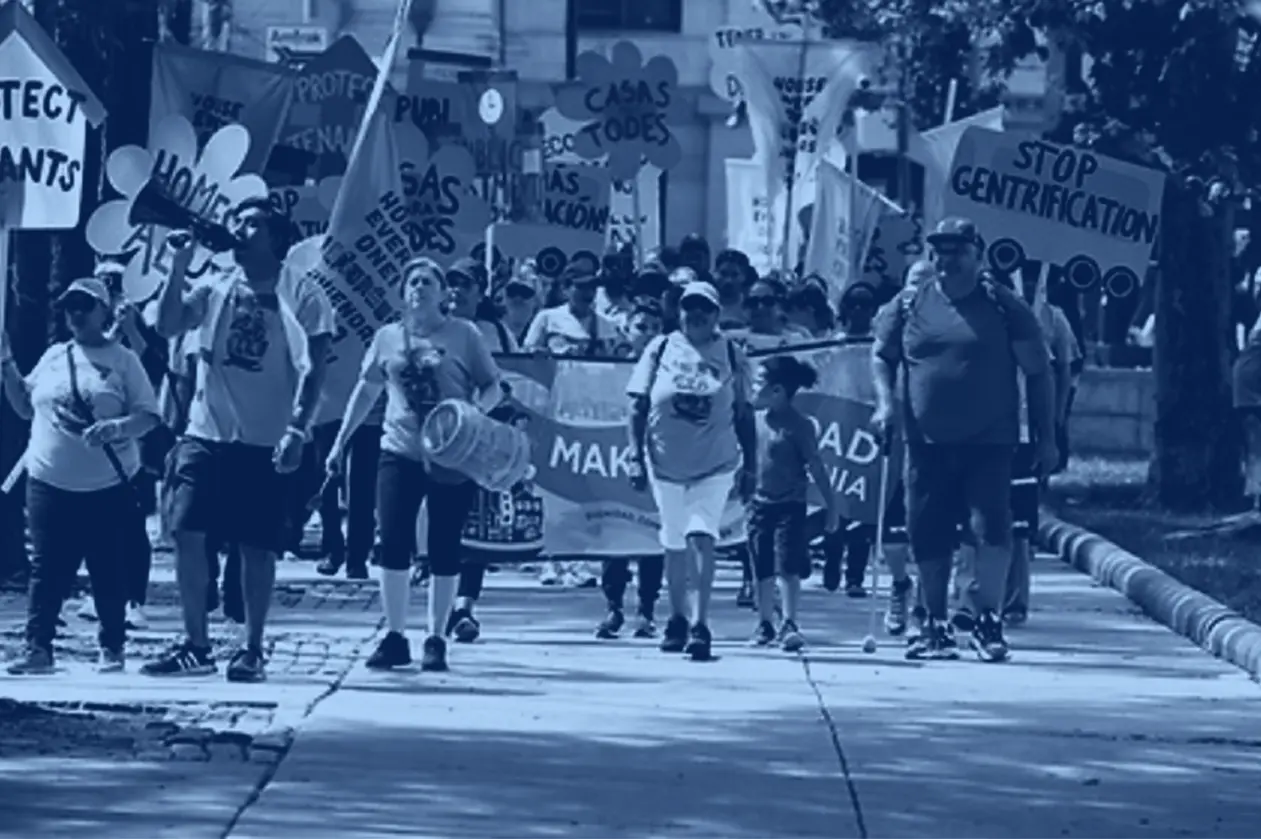
From its start of holding community meetings in the founders’ living rooms, one of MRPA’s goals was to raise the visibility of Latinx communities in smaller Pennsylvania cities, to counter the perception that multiracial communities are absent outside of Philadelphia and Pittsburgh. Everyone we spoke with as part of this case study mentioned the undisputable visibility and presence of MRPA members on the streets, at actions, at community meetings, and in the considerations of fellow organizers and policymakers, a key indicator of having built power.
“Knowing that we're not going away, people are at a point where they know like, ‘Oh, when we see the blue shirts, we know that’s Make the Road.’ It took a long, a lot of years to get there…it took a lot of just year-round going out on the streets, talking to people.”
[Former Staff Member]
MRPA has carved out its role over the course of long-term, consistent engagement and trust building with the community.
Its successes in driving voter turnout among the people it reaches and its contributions to creating a more reflective democracy in Berks County further indicate the results of strategic and long-term engagement. Partners that base-build in other communities recognized MRPA’s role and the trust it has built.
Moving Forward
Looking to the future, MRPA has made a commitment to more community organizing and membership expansion, to create an even stronger and more engaged base and develop more community leaders.
This work takes staffing and other resources and requires long-term investment³ on the part of funders, which remains rare among national foundations.⁴
3
4
There's so much potential of what we could do. And so at the core is building power, building people power. So we will continue to strengthen our systems of building power and base building and leadership development and engagement because that is the key of who we are, who we'll continue to be.
[Staff Member]
“When we fight together, we win. If we look at all the fights we’ve won, the one about home renovations, the one about the schools, the one about shutting down Berks [detention center], the one about Latinx candidates who have won seats, my main learning is that fighting together is how we achieve it.”
[Leader]
“Cuando luchamos juntos, ganamos. Si miramos todas las luchas que hemos ganado, la de la reconstrucción de las viviendas, la de la escuela, la del cierre de Berks [centro de detención], la de los candidatos hispanos que han ganado en posiciones políticas, mi mayor aprendizaje es que luchando juntos es como podemos lograrlo.”
2026